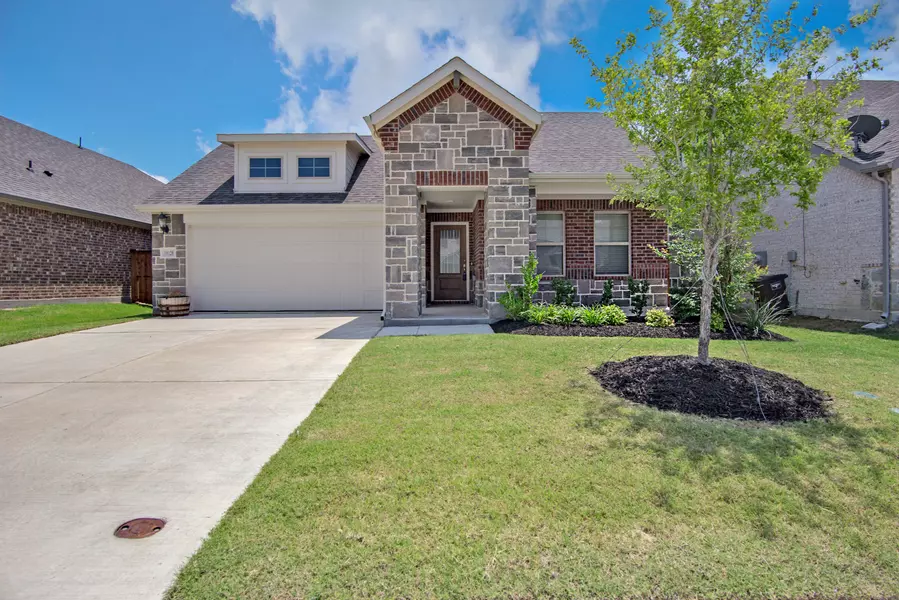
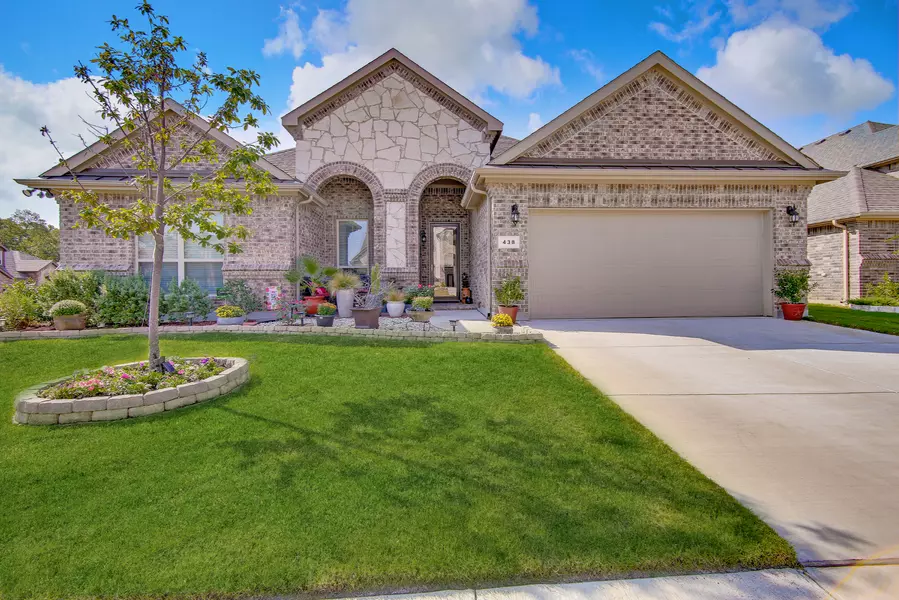
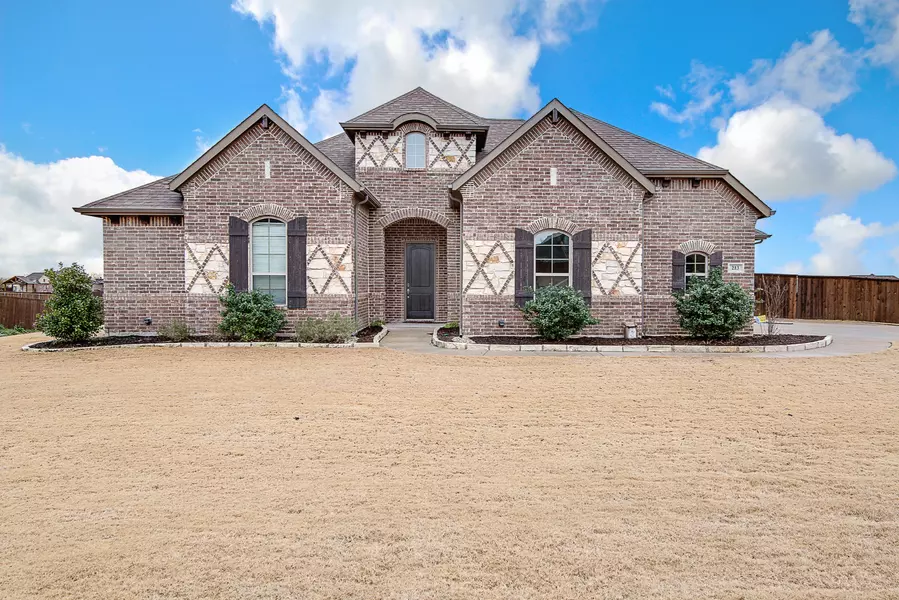
Moving from California to Texas? 12 Things You Need to Know Before Relocating to DFW
Moving from California to Texas? 12 Things You Need to Know Before Relocating to DFW
So, you're thinking about leaving California and moving to Texas?
First of all, welcome! Or at least, potentially welcome!
Maybe you're tired of California home prices. Maybe you've accepted a job in Dallas–Fort Worth. Maybe you're ready for a little more space, a backyard, or a different pace of life.
Or maybe you've been looking at houses online and thinking, "Wait a minute. I could get THAT house in Texas for how much?"
I get it.
John and I help people explore homes and communities throughout South DFW, and I can tell you that moving from California to Texas can be exciting.
But there's something I want you to understand before you start packing boxes.
Texas isn't simply California with cheaper houses.
There are some big differences in the cost of living, property taxes, weather, commuting, neighborhoods, and even how homes are built.
And if you're considering Mansfield, Arlington, Burleson, Midlothian, Grand Prairie, or anywhere south of Fort Worth, there are a few things I really want you to know.
Let's talk about them.
1. Yes, Texas Has No State Income Tax. But Don't Stop Your Research There.
This is probably one of the biggest reasons people start considering Texas.
Texas does not have an individual state income tax.
And for someone relocating from California, that can sound pretty wonderful!
Depending on your income and financial situation, it could make a meaningful difference.
But here's where I want you to be careful.
No state income tax does not mean no significant taxes.
Texas relies heavily on property taxes and other sources of revenue.
So when you're comparing what it costs to live in California versus Texas, you need to look at the complete picture.
Your income taxes.
Your property taxes.
Your homeowners insurance.
Your sales taxes.
Your housing payment.
And your other everyday expenses.
If you're moving from California and selling a home there, I would also recommend speaking with a qualified tax professional about how the move affects your particular situation.
Because the goal isn't just to save money in one category.
It's to understand what your overall financial picture will look like once you're living here.
2. Texas Property Taxes May Surprise You
If there's one thing I wish every California buyer understood before moving to Texas, it's this.
Don't compare houses based only on their listing prices.
Let's say you're looking at a $450,000 home in Mansfield.
You might be thrilled by how much space you're getting compared with what that same amount might buy in parts of California.
But then we need to calculate the property taxes.
And those can be a significant part of your monthly housing payment.
In Texas, property taxes are assessed by local taxing entities, which can include the school district, city, county, and other districts depending on the property.
Two homes with similar prices can have different property tax bills.
And here's something that surprises relocation buyers.
You could be looking at two houses with Mansfield mailing addresses, but they might not have the same city tax situation.
Why?
Because a mailing address doesn't always tell you which city limits or taxing jurisdictions a property falls within.
That's why I want to look at the actual property, its taxing entities, and estimated future taxes.
If you're buying a primary residence, you should also investigate whether you qualify for Texas residence homestead exemptions.
And please don't assume the seller's current property tax bill is what you'll pay.
Your taxes may be different based on exemptions, valuations, and other factors.
3. Your California Housing Budget May Buy You More Space
Now let's talk about one of the exciting parts.
The houses!
Depending on where you're moving from in California and where you're looking in North Texas, you may find that your housing budget opens up options you didn't expect.
Maybe you've been living in a smaller home with limited outdoor space.
And now you're looking at four-bedroom homes with dedicated offices, game rooms, larger kitchens, and backyards.
In some South DFW communities, you may also find newer homes with modern floor plans and three-car garages.
But remember, the price difference isn't the same everywhere.
A buyer relocating from San Francisco may have a very different comparison than someone moving from Bakersfield or Sacramento.
And even here in North Texas, prices can vary significantly by city, neighborhood, lot size, and home condition.
I don't want you assuming every Texas house is a bargain.
I want you finding a home that offers good value for what you need.
4. DFW Is Huge. And Your Commute Matters More Than You Think.
This is one of my biggest pieces of advice for anyone relocating to Dallas–Fort Worth.
Please don't pick a house before you understand where you'll be driving every day.
I know a home in Midlothian might look amazing online.
And maybe the price is exactly what you're hoping for.
But if you're commuting to an office in North Dallas five days a week, we need to talk about what that drive could actually look like.
DFW is spread out.
Really spread out.
And when people say something is "only 25 miles away," that doesn't necessarily mean it's a quick drive.
Traffic, toll roads, construction, and the time of day all matter.
That's why I always recommend testing your commute during the actual hours you'll be traveling.
If you work remotely, you may have more flexibility.
If you're commuting to Fort Worth, you may want to consider different communities than someone working in Dallas.
And if you're traveling frequently through DFW International Airport, that may influence your location choice too.
Don't just buy the house.
Buy the lifestyle that comes with its location.
5. Not All South DFW Communities Feel the Same
This is where I think having someone who actually knows the area makes such a difference.
When you're relocating from California, it's easy to look at a map and assume that Mansfield, Arlington, Burleson, Grand Prairie, and Midlothian are all basically the same.
They're not.
Each community has its own personality, housing options, and advantages.
Mansfield: Suburban Convenience and a Growing Community
Mansfield is one of the areas we spend a lot of time talking about on our South of Cowtown YouTube channel.
You'll find established neighborhoods, newer developments, shopping, restaurants, parks, and access to major highways like 287 and 360.
There's also a charming historic downtown area that continues to be part of the city's identity.
Mansfield can be appealing to buyers who want a suburban setting with plenty of everyday conveniences nearby.
But different parts of Mansfield offer different experiences.
Some neighborhoods are close to shopping and restaurants along Broad Street.
Others feel a little farther removed from the busiest areas.
And some homes with Mansfield mailing addresses are actually outside Mansfield city limits.
That's why location details matter.
Arlington: Convenience, Established Neighborhoods, and Access Across DFW
Arlington is one of those cities people often know because of AT&T Stadium, Globe Life Field, and the Entertainment District.
But there's so much more to Arlington than professional sports.
Especially when you start exploring South and Southwest Arlington.
You'll find established neighborhoods, larger lots in some areas, parks, shopping, and convenient access to several major roads.
Depending on where you live, you may be close to Mansfield while still having an Arlington address.
For buyers who need to travel to different parts of the Metroplex, Arlington is definitely worth exploring.
Burleson: South of Fort Worth With a Community Feel
Burleson is another community I think relocation buyers should consider.
Located south of Fort Worth along I-35W, it offers a combination of established neighborhoods, newer subdivisions, shopping, restaurants, and its own Old Town area.
For someone commuting toward Fort Worth, Burleson may be worth comparing with communities farther east.
And if you like the idea of being south of the busiest parts of the Metroplex, it could be a good fit.
Midlothian: New Construction and Room to Explore
Midlothian has attracted attention from buyers interested in newer homes and growing communities.
You'll find a variety of subdivisions, new construction opportunities, and areas that offer a more open setting.
But one thing I always tell buyers is to think about where they need to travel.
Midlothian may be a wonderful fit for one family and an inconvenient commute for another.
And with new development, it's important to understand future construction, nearby amenities, and the total cost of ownership.
Grand Prairie: Location and Variety
Grand Prairie stretches across a substantial part of the Metroplex, so different sections can feel very different.
In southern Grand Prairie, you'll find communities near Joe Pool Lake, newer developments, and access toward Mansfield and Arlington.
Other parts of the city offer different housing styles and commuting advantages.
If you're relocating and trying to balance access to Dallas and Fort Worth, it's worth considering specific parts of Grand Prairie rather than evaluating the entire city as one neighborhood.
6. Texas Summers Are No Joke
Okay, California friends.
We need to talk about the heat.
Because Texas summers are hot.
And I'm not talking about one unusually warm afternoon.
I'm talking about stretches of summer when temperatures climb into the upper 90s or triple digits.
If you're moving from coastal California, that's going to feel different.
Very different.
Air conditioning isn't just a nice extra here.
It's something you need to take seriously.
When we're looking at homes, I want to know about the HVAC system.
How old is it?
Has it been maintained?
Is the home properly insulated?
What might the electric bills look like?
And if you're buying a two-story house, how well does the upstairs cool during summer?
Those are practical questions that can make a big difference in your day-to-day comfort.
You'll also discover that many Texans plan outdoor activities around the weather.
Summer mornings?
Great time for a walk.
Three o'clock in the afternoon in August?
You might prefer the swimming pool or somewhere with very good air conditioning.
7. We Have Hailstorms, Tornado Warnings, and Some Serious Weather
California has its own natural hazards, including earthquakes and wildfires in certain regions.
North Texas has a different set of concerns.
We get severe thunderstorms.
Hail.
Strong winds.
Occasional tornadoes.
And, yes, sometimes winter weather that causes problems even though we don't experience long northern winters.
If you're moving to DFW, I recommend understanding the weather risks for the specific property you're considering.
Pay attention to roof condition.
Ask about past storm damage.
Get homeowners insurance quotes early.
Understand your wind and hail deductible.
And make sure you know what your policy actually covers.
A home with a lower purchase price may not necessarily have a lower cost of ownership if insurance or maintenance expenses are higher.
8. Homeowners Insurance Is a Bigger Part of the Conversation Than You Might Expect
This goes right along with our weather discussion.
Texas homeowners insurance costs have increased significantly over the past several years.
According to the Texas Department of Insurance, the average annual homeowners insurance premium statewide reached $3,489 in 2025.
That's an average, not a quote for a specific DFW home.
But it shows why insurance needs to be part of your buying strategy.
I don't want you waiting until you're almost ready to close before discovering what a home will cost to insure.
Especially if you're comparing an older resale home with new construction.
Roof age, replacement cost, construction features, and other property details can affect the options available to you.
And remember, some policies have percentage-based wind and hail deductibles.
A 2% deductible on $400,000 of dwelling coverage could mean an $8,000 deductible for certain covered claims.
That's something you need to understand before you sign up for the policy.
9. New Construction Can Be Attractive, but Watch the Year-Two Taxes
If you've been looking at new construction homes in Mansfield, Midlothian, Burleson, or Grand Prairie, you've probably noticed builders advertising financing incentives.
And sometimes those incentives can be genuinely helpful.
A builder might offer closing-cost assistance, a temporary interest-rate buydown, or other promotions.
But here's where I want California buyers to be careful.
Don't base your long-term budget on an introductory payment that may change.
That includes temporary mortgage rate buydowns.
And it especially includes property taxes.
On some newly completed homes, the prior tax assessment may reflect the land or a partially completed property rather than the full value of the finished home.
That means the taxes used in an early payment estimate may be lower than what you'll eventually owe.
And when your escrow account adjusts, your mortgage payment could increase.
This is something John and I talk about frequently because we never want buyers surprised by their payment after they've been in the home for a year.
Always ask your lender to help estimate taxes based on the completed property and applicable taxing jurisdictions.
10. HOAs Are Common in Newer Communities
If you're moving from California, you may already be familiar with homeowners associations.
But don't assume every HOA works the same way.
Some neighborhoods around South DFW have HOAs that maintain common areas and community entrances.
Others offer pools, trails, playgrounds, or other amenities.
And some established neighborhoods don't have an HOA at all.
I want you to understand what the dues cover, what restrictions apply, and whether the neighborhood fits how you want to use your property.
Planning to park an RV?
Build a workshop?
Install a pool?
Rent the home in the future?
Make major changes to the exterior?
We need to investigate those details before you buy.
And remember, a property without an HOA may still have deed restrictions or city regulations.
So no HOA doesn't necessarily mean no rules.
11. School District Boundaries Don't Always Match City Boundaries
This is another thing that surprises relocation buyers.
In North Texas, the city where a home is located doesn't necessarily determine its school district.
For example, some homes with Arlington addresses are zoned to Mansfield Independent School District.
And different sections of a city may fall within different school districts.
That's why I always encourage buyers to verify the assigned schools directly with the district.
Don't assume a listing's school information is correct simply because it appears online.
And don't assume every home in Mansfield is zoned to the same schools.
If schools are important to your move, let's confirm the boundaries for the actual address before you make a decision.
12. Visit Before You Buy, if You Can
I know this isn't always possible.
Sometimes a job relocation happens quickly.
Sometimes you need to make a decision from out of state.
And sometimes you're coordinating the sale of your California home while trying to purchase a Texas property.
But if you have the opportunity to visit before buying, I highly recommend it.
And don't spend the entire trip just touring houses.
Spend time exploring the communities.
Drive through Downtown Mansfield.
Grab dinner in Old Town Burleson.
Explore South Arlington.
Drive around the newer neighborhoods in Midlothian.
Visit the Joe Pool Lake area in Grand Prairie.
Go to the grocery store.
Test your commute.
See what the neighborhoods look like in the evening.
Because you're not just moving into a house.
You're moving into an entirely different daily routine.
And that's what I want you to feel comfortable with.
Bonus: Don't Forget the Practical Details After Moving to Texas
Once you've made the move, there are a few administrative things you'll need to take care of.
Texas generally requires new residents to register their vehicles within 30 days of moving to the state.
You'll also need to obtain a Texas driver's license within 90 days.
Depending on your county and vehicle, emissions inspection requirements may apply before registration.
You'll also want to update your insurance, voter registration if eligible, mailing address, and other important records.
And if you've purchased a primary residence, investigate your eligibility for a Texas residence homestead exemption.
It's not the most exciting part of relocating.
But getting those details handled early can make settling in a lot easier.
So, Is Moving From California to Texas Worth It?
Here's what I would tell someone considering the move.
It absolutely can be.
But I don't think you should move to Texas simply because you saw a beautiful house online for less than you expected.
You need to think about the complete picture.
Will you enjoy the lifestyle?
Does the commute make sense?
Are you comfortable with the weather?
Does the monthly payment work once you include property taxes and insurance?
And are you choosing the community that's right for you, rather than just the house that looks the most impressive online?
Those are the questions I want you to answer.
Because the goal isn't just moving from California to Texas.
It's finding a place in Texas where you can actually see yourself building your next chapter.
Thinking About Relocating From California to South DFW?
If you're considering moving from California to Mansfield, Arlington, Burleson, Midlothian, Grand Prairie, or anywhere south of Fort Worth, John and I would love to help you explore your options.
We know how overwhelming it can feel to research neighborhoods, compare homes, understand Texas property taxes, and try to figure out which part of DFW makes the most sense.
That's why we focus on more than simply showing you houses.
We want to help you understand the communities, the commute, the market, and the real cost of owning a home here.
And if you're still six months or a year away from relocating, that's okay!
That's actually a great time to start learning about the area.
You can also explore our South of Cowtown with The Deeds YouTube channel, where we share community guides, neighborhood tours, new construction opportunities, and practical real estate advice for people considering a move to North Texas.
We want you to feel like you know the area before you ever arrive.
Because moving across the country is a big decision.
And having the right local guidance can make all the difference.
Ready to explore living in South DFW?
Call or text HOME to 817-659-0980
Email: info@thedeedsgroup.com
Website: www.thedeedsgroup.com
— Stephanie Deeds
The Deeds Group at Point Realty
South of Cowtown with The Deeds
Creating Your Next Adventure Together
Categories
- All Blogs 482
- Buying A Home 66
- Community Neighborhood Guides 7
- DFW Lifestyle 38
- Eat, Drink, & Shop Local 12
- First Time Home Buyer Tips 161
- Homeownership Tips & Tricks 24
- Living in Arlington, TX 7
- Living in Burleson 7
- Living in Dallas Fort Worth Metroplex 78
- Living In Texas 18
- Mansfield, TX 14
- Midlothian, TX 13
- Mortgage Rates, Financing, and Affordability 41
- New Construction & Developments in DFW 14
- Real Estate Investing 33
- Real Estate News 66
- Rentals, Property Management, & Leasing 13
- Selling Your House 163
- Texas Relocation Guide 40
- Things To Do in DFW 4
Recent Posts








MY BLOGS
 Moving from California to Texas? 12 Things You Need to Know Before Relocating to DFW So, you're thinking about leaving California and moving to Texas? First of all, welcome! Or at least, potentially welcome! Maybe you're tired of California home prices. Maybe you've accepted a job in Dallas–Fort Wor
- Is Kennedale, TX Really a Small Town? What Living in DFW’s Best-Kept Secret Is Actually Like If you’ve driven around southern Tarrant County, there’s a good chance you’ve driven near Kennedale without really thinking much about it. It’s tucked between Arlington, Mansfield and Fort Worth, and honestl
- Texas Homeowners Insurance Spikes: What DFW Buyers Need to Know Before Buying a Home You've found a house you love. The price works. The mortgage payment looks manageable. You've calculated your down payment, checked the property taxes, and maybe even negotiated some seller concessions. Then you get
- Thinking About Downsizing or Multigenerational Living? ADUs Are Changing the Way South DFW Families Use Their Homes What if downsizing didn't necessarily mean moving away from the neighborhood you love? Or what if your parents could live close by without actually living in your house? Or maybe your
MY BLOGS
- Moving from California to Texas? 12 Things You Need to Know Before Relocating to DFW
- Is Kennedale, TX Really a Small Town? What Living in DFW’s Best-Kept Secret Is Actually Like
- Texas Homeowners Insurance Spikes: What DFW Buyers Need to Know Before Buying a Home

MY BLOGS
Local News, Events & More Emailed Daily!